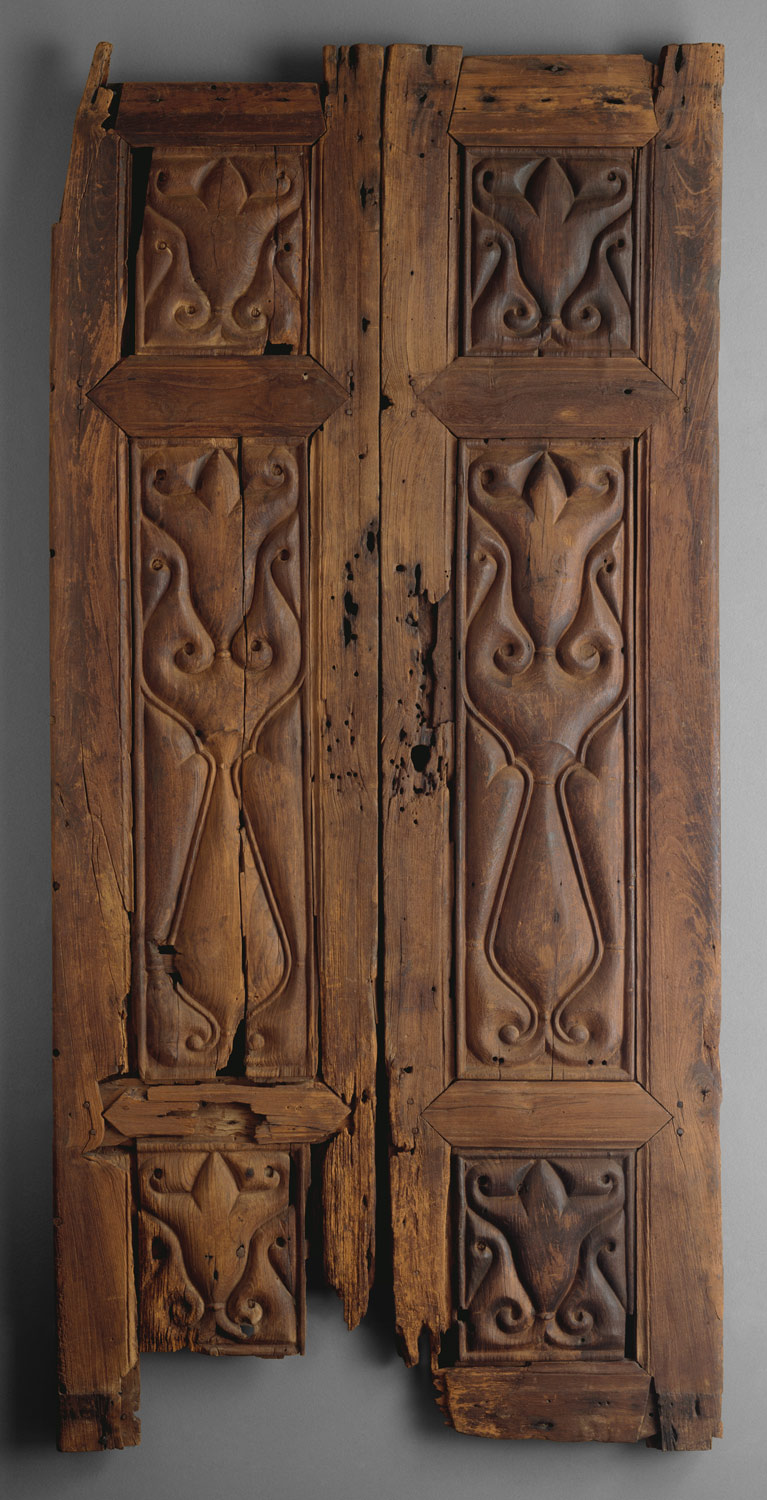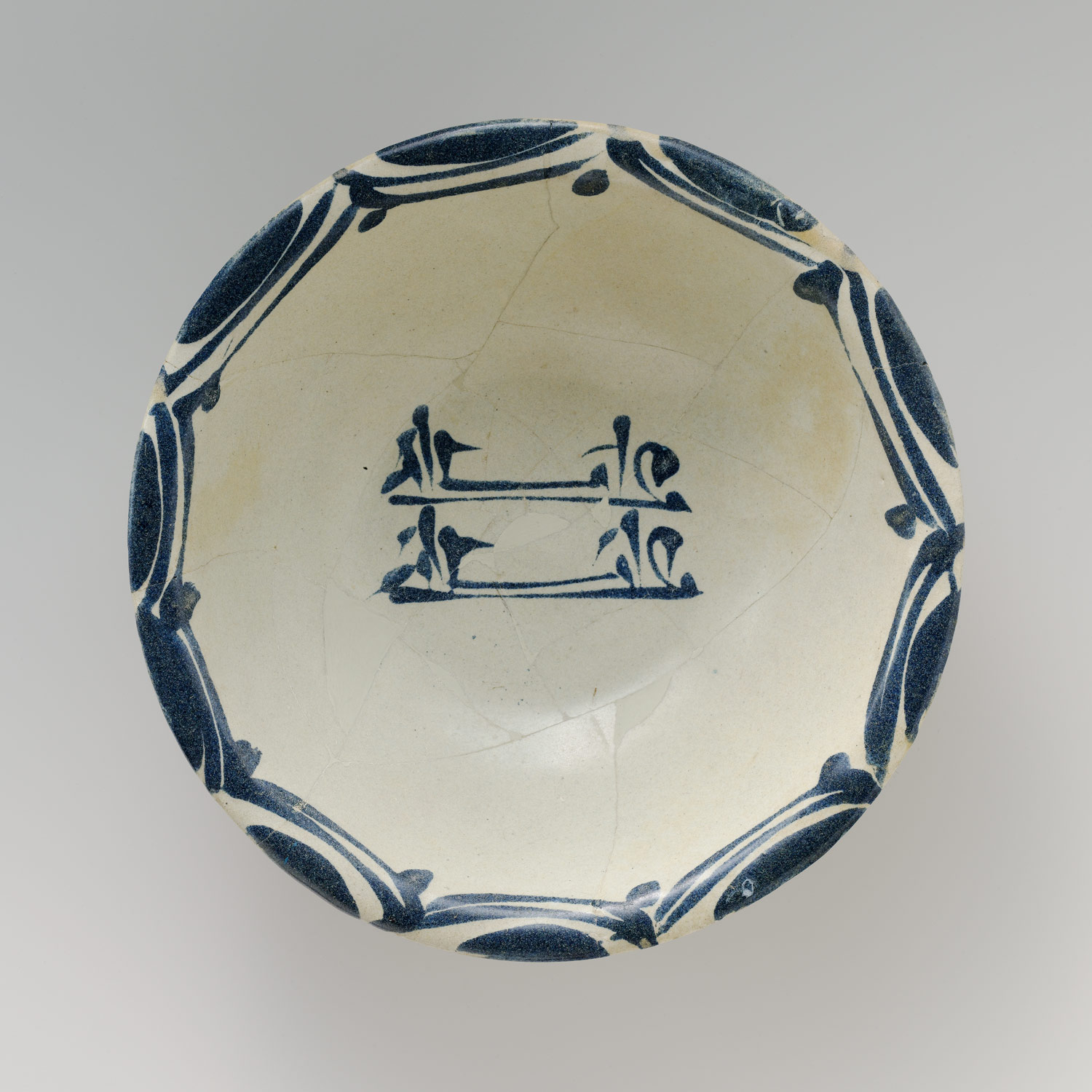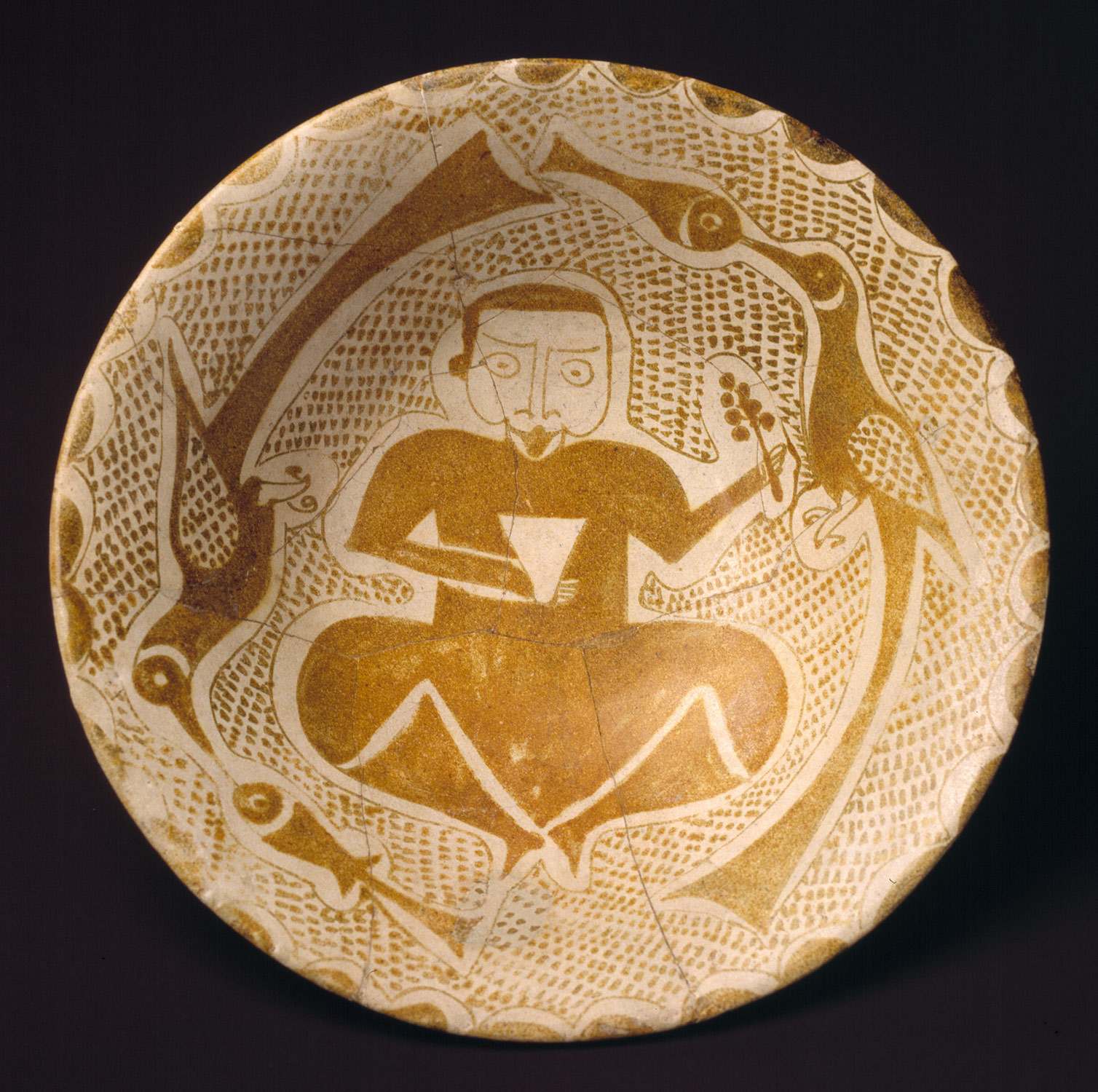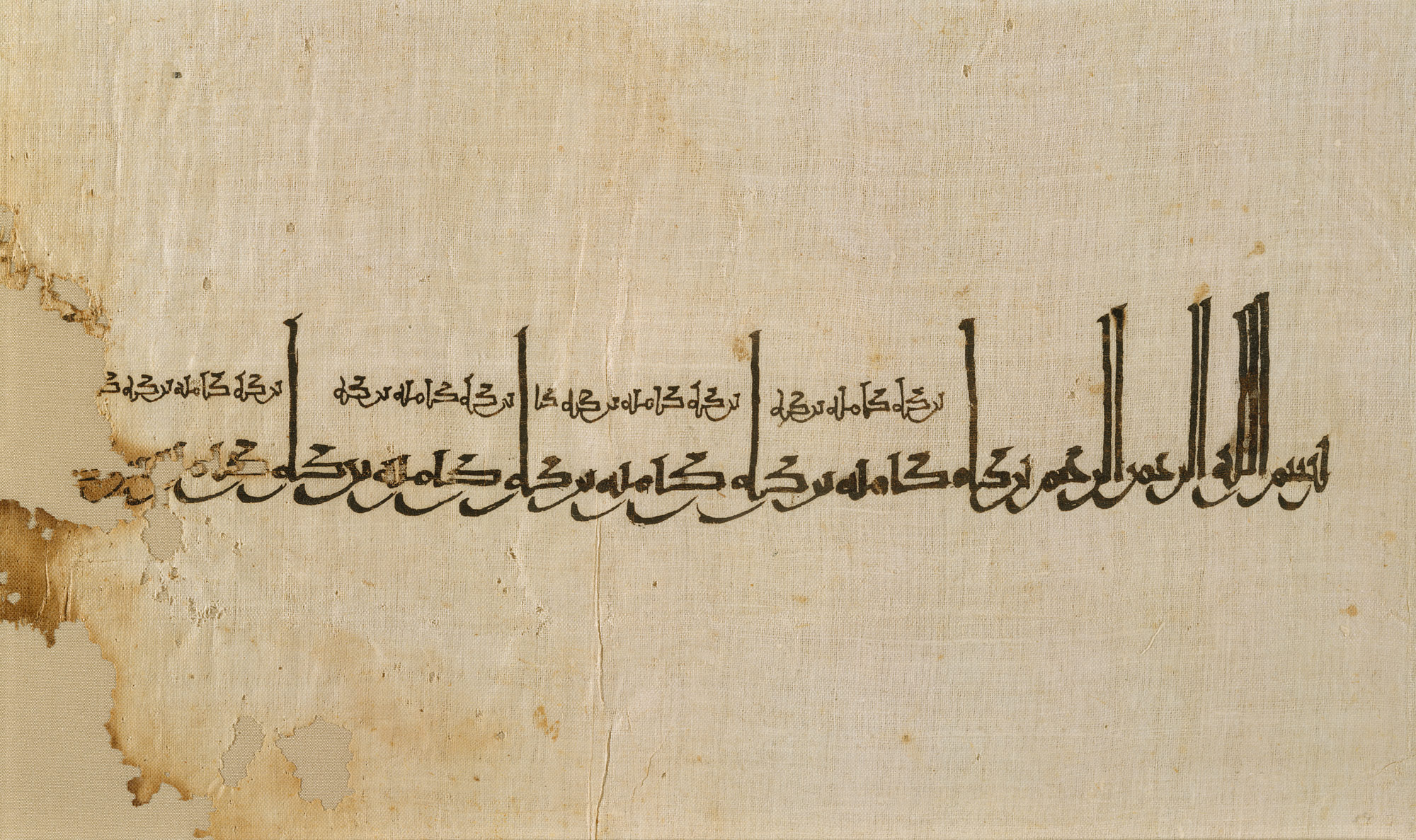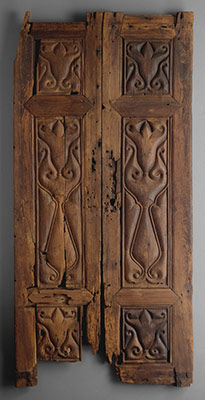
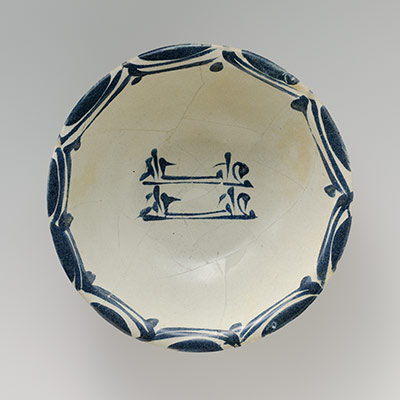

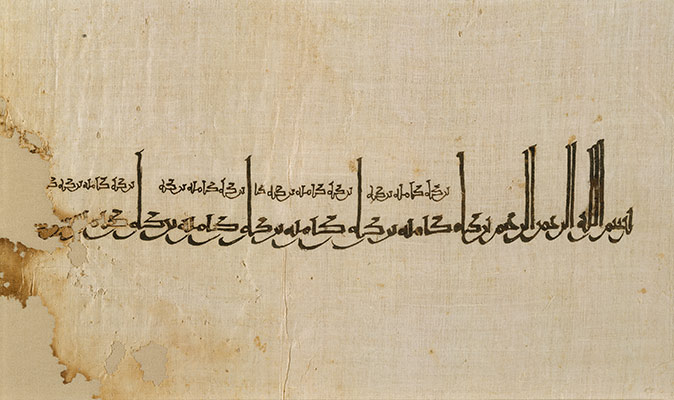
In the early part of this period, Sasanians control most of Mesopotamia, which shares—to the west—an unstable border with Byzantium. In the seventh century, this area is conquered by Arab armies and transformed into the center of Islamic civilization. Under the Abbasid caliphate, the newly founded capital, Baghdad, becomes the cultural and commercial capital of the Islamic world. The distinctive artistic language that develops in Baghdad and Samarra is emulated throughout the realm and greatly influences Islamic art.
Iraq (Mesopotamia), 500–1000 A.D.
-
 31.119.1,.2
 -
 63.159.4
 -
 1977.126
 -
 31.106.32
Timeline
500 A.D.
625 A.D.
Sasanian rule, 224–636/37
625 A.D.
750 A.D.
Sasanian rule, 224–636/37
Rule of the Rightly Guided Caliphs, ca. 636/37–61
Umayyad rule, 661–750
Abbasid caliphate, 750–1258
750 A.D.
875 A.D.
Umayyad rule, 661–750
Abbasid caliphate, 750–1258
875 A.D.
1000 A.D.
Abbasid caliphate, 750–1258
Buyid dynasty, 945–1055
Overview
Key Events
-
500s
Nestorian Christians, a sect of Christianity that diverged from the Byzantine church at the Council of Ephesus in 431, settle in large numbers throughout Sasanian-controlled land in eastern Mesopotamia. Attempts by the Byzantine state to gather support among these Christian communities meet with little success.
-
634–644
During the reign of Rightly Guided Caliph ‘Umar ibn al-Khattab, Arab armies under the banner of Islam conquer Mesopotamia, penetrating into Iran.
-
661
‘Ali ibn Abi Talib (r. 656–61), Muhammad’s cousin, son-in-law, and last of the Rightly Guided Caliphs, is assassinated. His death triggers political and religious factionalism, especially in Iraq. Questions regarding succession lead to the development of Shi‘a, a sect of Islam that recognizes Muhammad’s descendants through ‘Ali and Fatima as the only legitimate heads of the community.
-
680
Husain, the second son of ‘Ali ibn Abi Talib, as well as his family and followers are killed in a battle against Umayyad forces at Karbala; the remembrance of this event and Husain’s martyrdom strengthen the Shi‘i cause.
-
750–1258
Under the Abbasid caliphate, the focal point of Islamic political and cultural life shifts eastward from Syria to Iraq, where, in 762, Baghdad, the circular “City of Peace” (madinat al-salam), is founded as the new capital. During this period, a distinctive style emerges and a new artistic language is developed, which spread throughout the Muslim realm and greatly influence Islamic art. The first three centuries of Abbasid rule are a golden age, with Baghdad as the cultural and commercial capital of the Islamic world.
-
786–809
The reign of Caliph Harun al-Rashid, often regarded as the apogee of Abbasid power, witnesses unprecedented prosperity, with resources flowing into Baghdad from all over the Islamic world.
-
813–833
Under Caliph al-Ma’mun, literature, theology, philosophy, mathematics, and the natural sciences flourish. The remarkable cultural activity of the period is further enriched by the encounter with Greco-Roman, Persian, and Indian traditions and the translation of important texts into Arabic.
-
836–892
The Abbasid caliph al-Mu‘tasim (r. 833–42) founds a city north of Baghdad called Samarra, which replaces the capital for a brief period. New styles and techniques developed in Samarra are emulated throughout the Abbasid realm.
-
ca. 850
Due to internal conflicts, Abbasid political unity begins to disintegrate and independent or semi-autonomous local dynasties (such as the Tulunids in Egypt) are established.
-
900–1000
As the Abbasid caliphate centered in Baghdad weakens further, several Iranian dynasties gain control in the eastern Islamic provinces, limiting Abbasid political power to Iraq.
-
945
The forces of the Buyid dynasty (932–1062) enter Baghdad; from this point onward, until the formal end of the dynasty in 1258, the influence of the Abbasid caliphs is limited to the moral and spiritual spheres, as the heads of Orthodox Sunni Islam.
Citation
“Iraq (Mesopotamia) 500–1000 A.D.” In Heilbrunn Timeline of Art History. New York: The Metropolitan Museum of Art, 2000–. http://www.metmuseum.org/toah/ht/?period=06®ion=wam (October 2001)
Related
Map

Encompasses present-day Iraq
Primary Chronology
Secondary Chronology
Lists of Rulers
See also
Keywords
- Abbasid Art
- Anatolia and the Caucasus
- Arabian Peninsula
- Asia
- Central and North Asia
- Eastern Mediterranean
- Fatimid Art
- Iran
- Iraq
- Islamic Art
- Islamic Art in the Early Period
- Islamic Art in the Medieval Period
- Mamluk Art
- Mesopotamian Art
- Sasanian Art
- Umayyad Art
- West Asia
- 6th Century A.D.
- 7th Century A.D.
- 8th Century A.D.
- 9th Century A.D.
- 10th Century A.D.