
Islamic Art
About Us
The Met's collection of Islamic art ranges in date from the seventh to the twenty-first century. Its more than 15,000 objects reflect the great diversity and range of the cultural traditions of Islam, with works from as far westward as Spain and Morocco and as far eastward as Central Asia and Indonesia. Comprising both sacred and secular objects, the collection reveals the mutual influence of artistic practices such as calligraphy, and the exchange of motifs such as vegetal ornament (the arabesque) and geometric patterning in both realms.
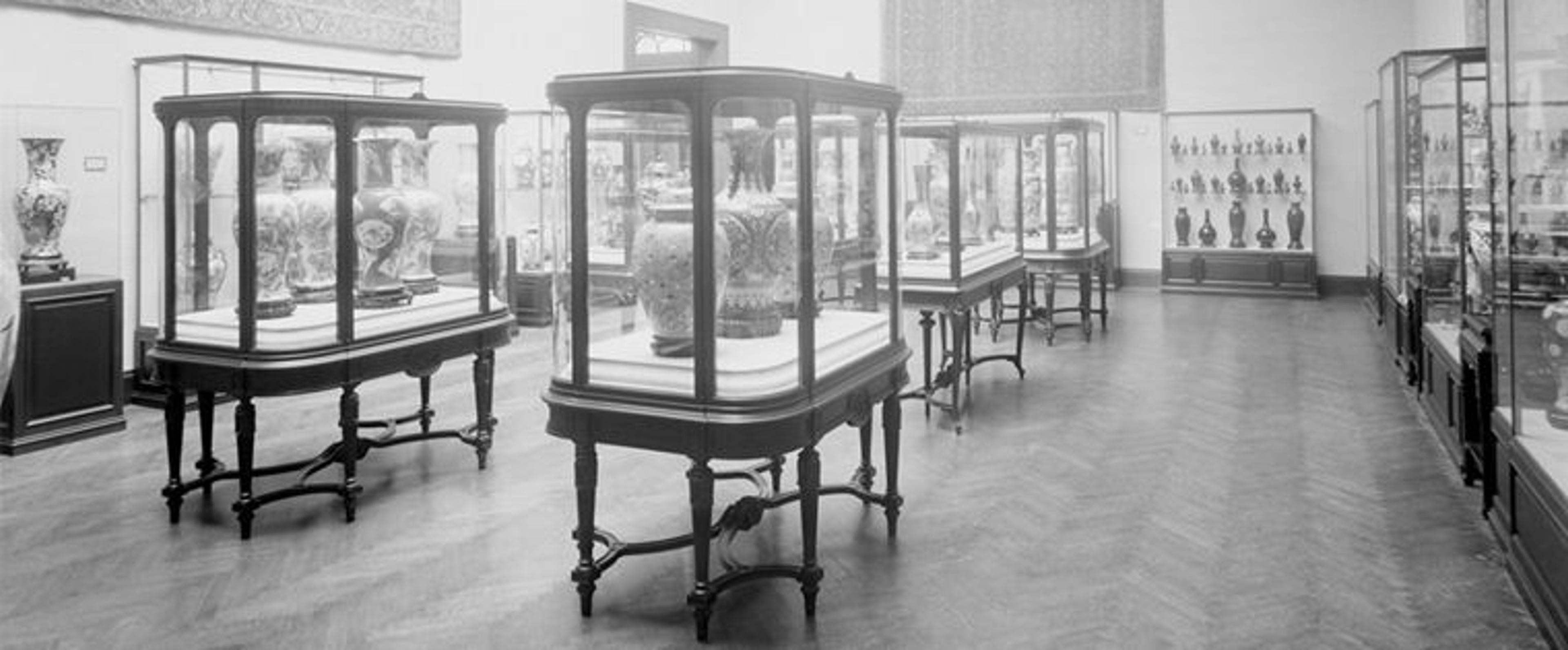
Although the Museum acquired some seals and jewelry from Islamic countries as early as 1874, and a number of Turkish textiles in 1879, it received its first major group of Islamic objects in 1891, as a bequest of Edward C. Moore. Since then, the collection has grown through gifts, bequests, and purchases, as well as through Museum-sponsored excavations at Nishapur, Iran, in 1935–39 and in 1947. Until 1932, when the Department of Near Eastern Art was established, all of these objects were overseen by the Department of Decorative Arts. By 1963, the number of objects had increased to a point that necessitated an official departmental division between the Ancient Near Eastern and the Islamic portions of the collection, and the Department of Islamic Art was founded.
In 2011, after an extensive renovation, the Museum opened fifteen dramatic new Galleries for the Art of the Arab Lands, Turkey, Iran, Central Asia, and Later South Asia. The greatly enlarged and freshly conceived galleries highlight both the diversity and the interconnectedness of the numerous cultures represented, with multiple entryways that allow visitors to approach the galleries—and the art displayed within—from different perspectives.
Read more about the rich history of Islamic art at the Museum.
FEATURED
Wedding Attire: Three Cultures, One Celebration
This presentation of wedding ensembles and related accessories illustrates the diversity of ceremonies, customs, and clothing from the regions of China, Japan, and Ottoman Turkey and the Balkans.
Art
first half 18th century
Calligrapher Ahmad ibn al-Suhrawardi al-Bakri
Illuminator Muhammad ibn Aibak ibn 'Abdallah
dated 707 AH/1307–8 CE
Author Amir Khusrau Dihlavi
Calligrapher Muhammad Husain Kashmiri
Painting by Manohar
1597–98
Calligrapher 'Abd al-Qadir Hisari
dated 1180 AH/1766–67 CE
ca. 1640
late 17th century
Painting by Habiballah of Sava
Author Farid al-Din `Attar
ca. 1600
mid-16th century
Showing 8 of 120
Featured Collections
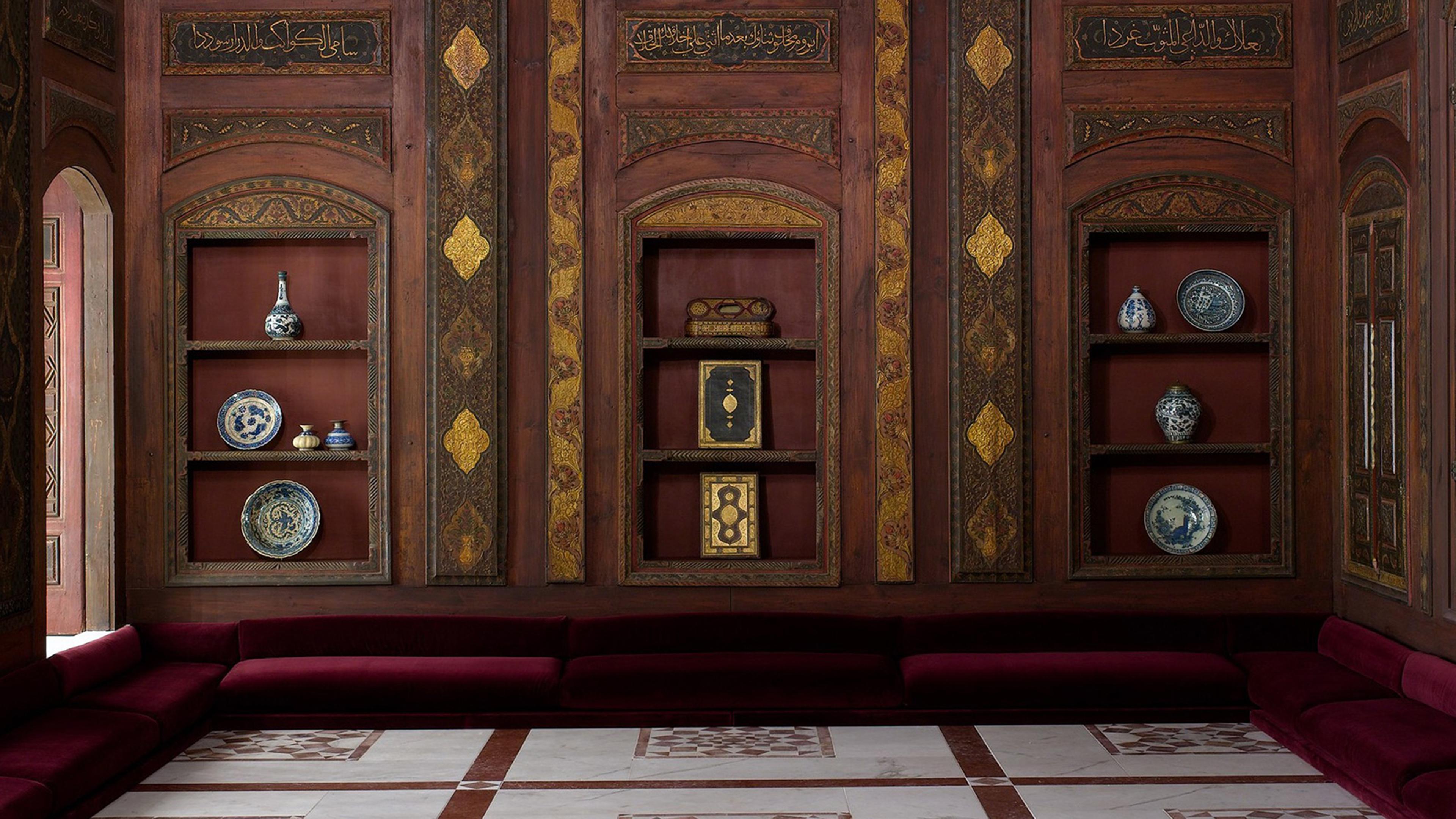
Explore a residential reception chamber (qaʿa) typical of the late Ottoman period in Damascus, Syria.
Project
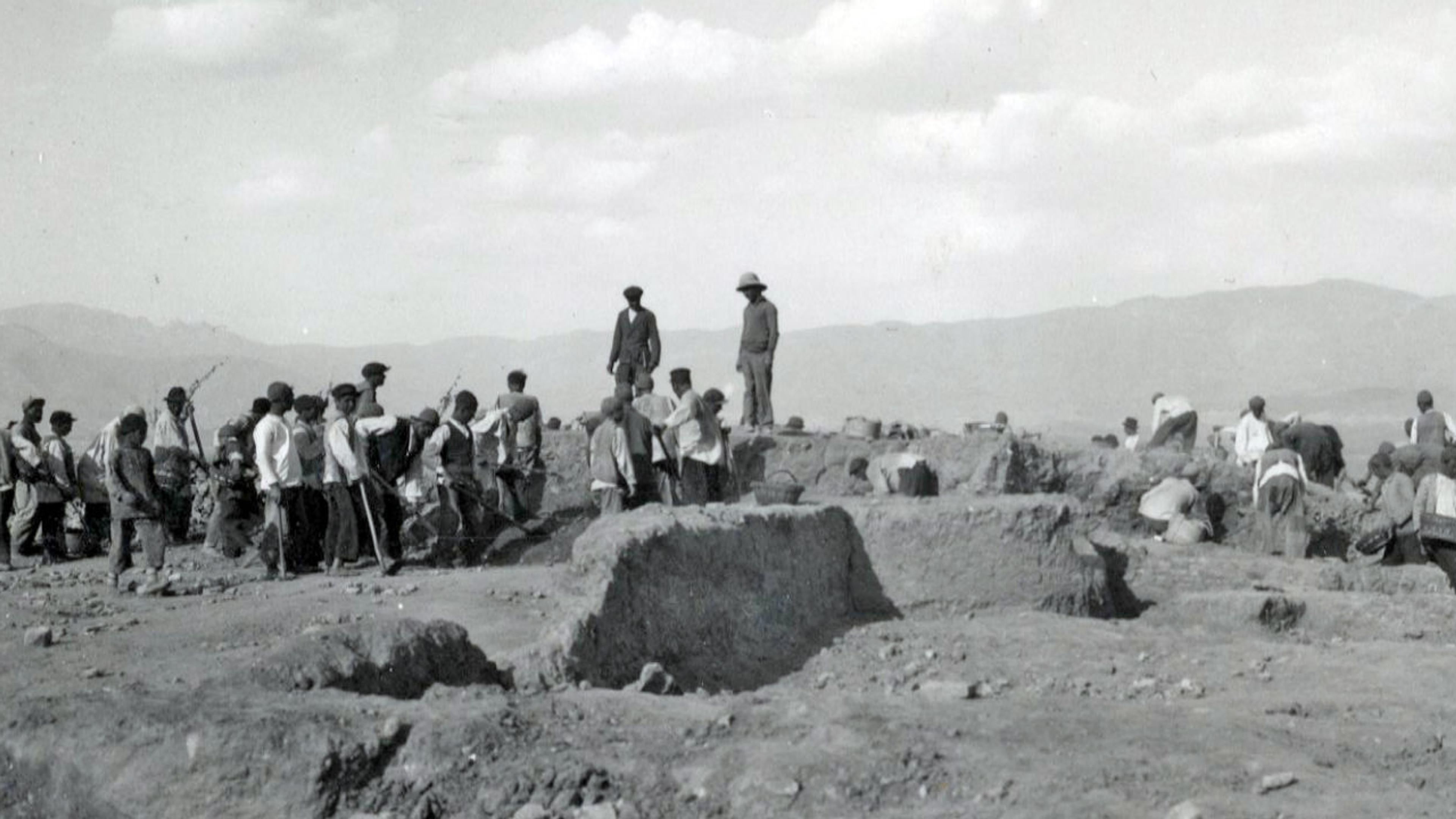
Explore The Met’s excavations at Nishapur, a city in northeastern Iran. Related material is on view at The Met Fifth Avenue in Galleries 452 and 453.
Articles, Audio, and Video
Featured

Video
Join scholar Layla Diba for a richly illustrated lecture exploring the theme of the unrequited love of the nightingale for the rose in Persian art and poetry, inspired by the life and work of Annemarie Schimmel.
March 10
Video
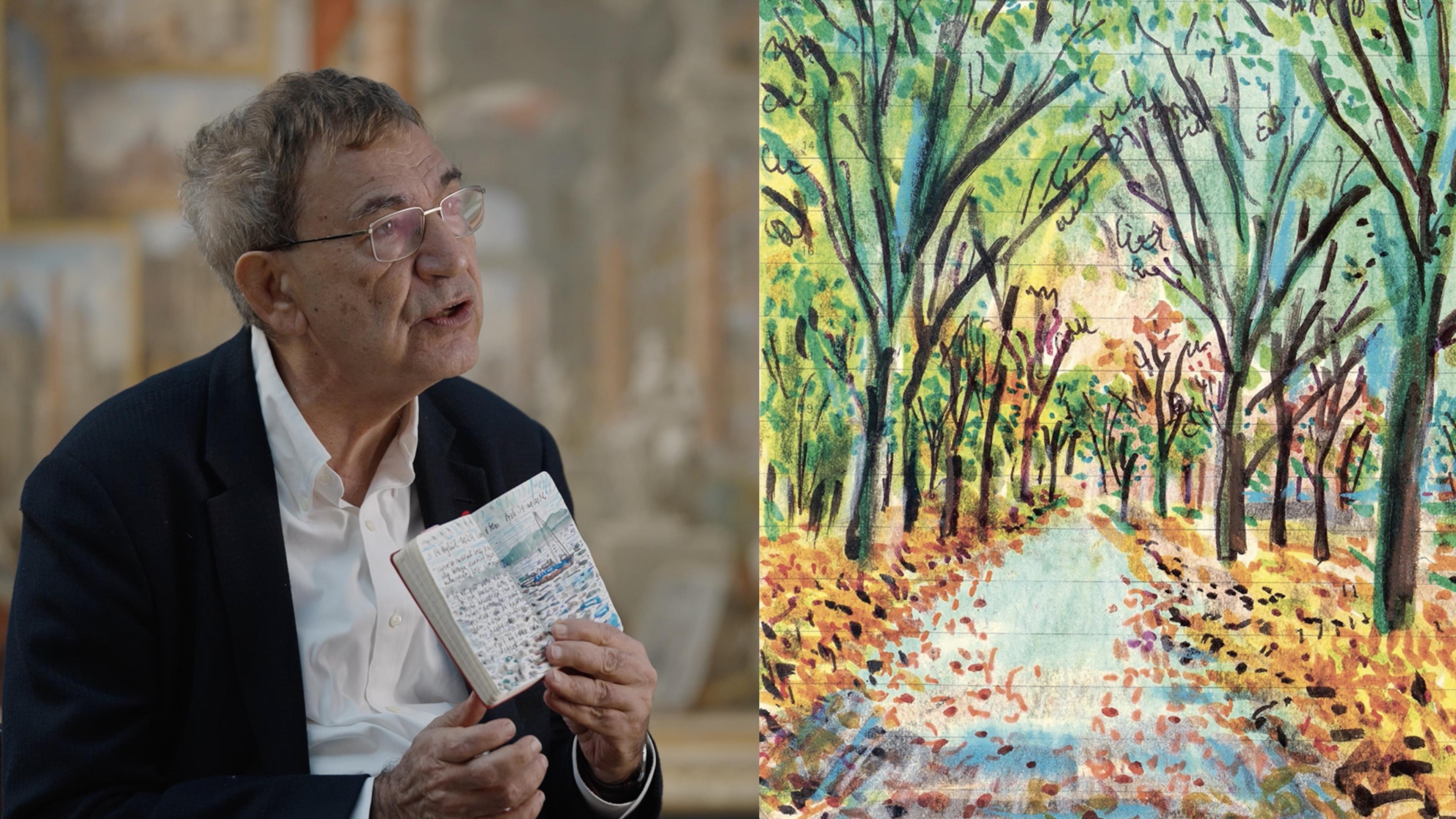
Join Nobel Prize-winning writer Orhan Pamuk for a look at the works that have inspired his writing for many years.
May 1, 2025
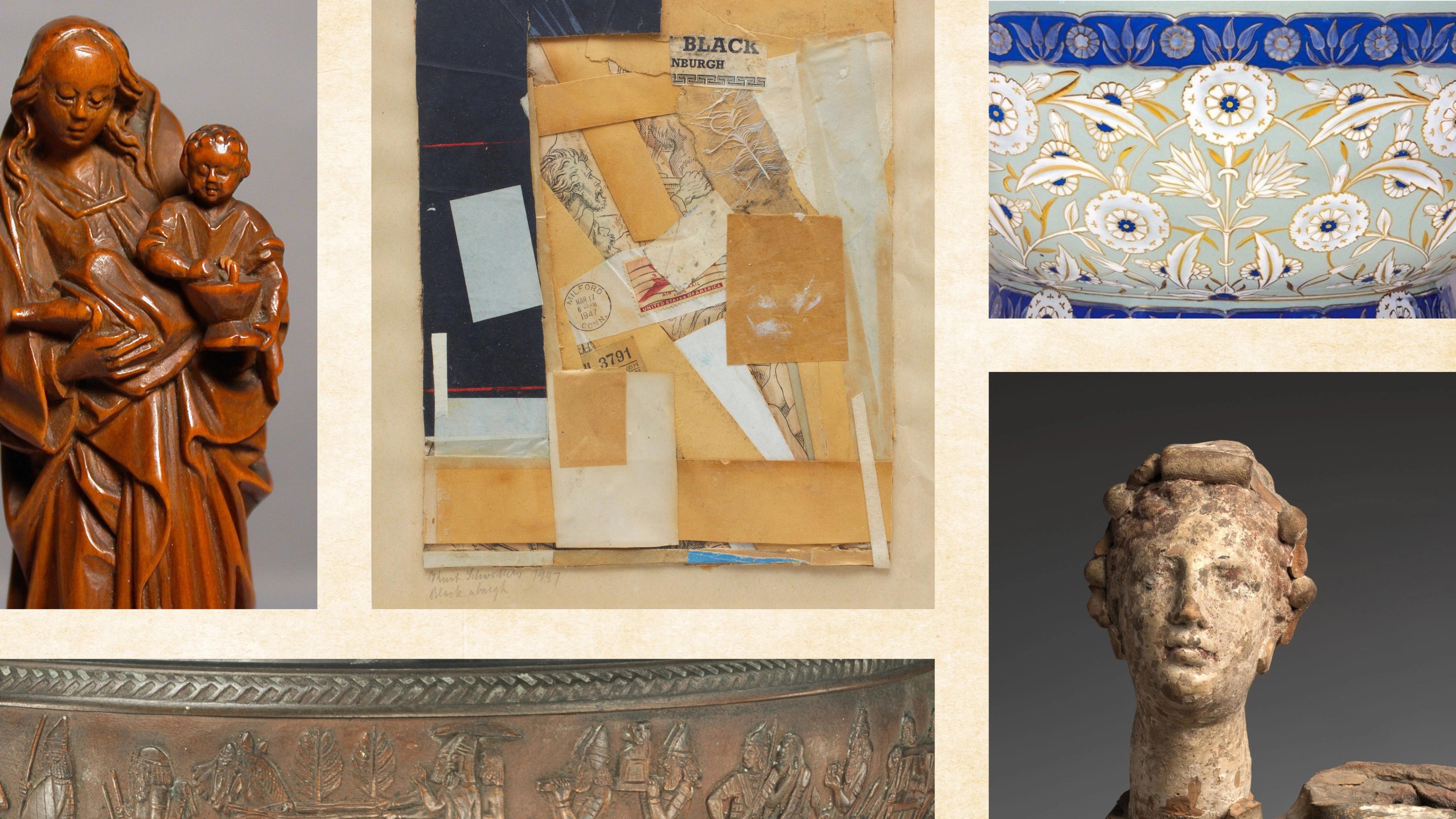
Five case studies for select recent acquisitions demonstrate the varied and complex nature of provenance research at The Met.
Lucian Simmons, Maya Muratov, Christine E. Brennan, Ria Breed, Anne Dunn-Vaturi, Michael Seymour, and Mary Chan
April 8, 2025
The Latest
Research
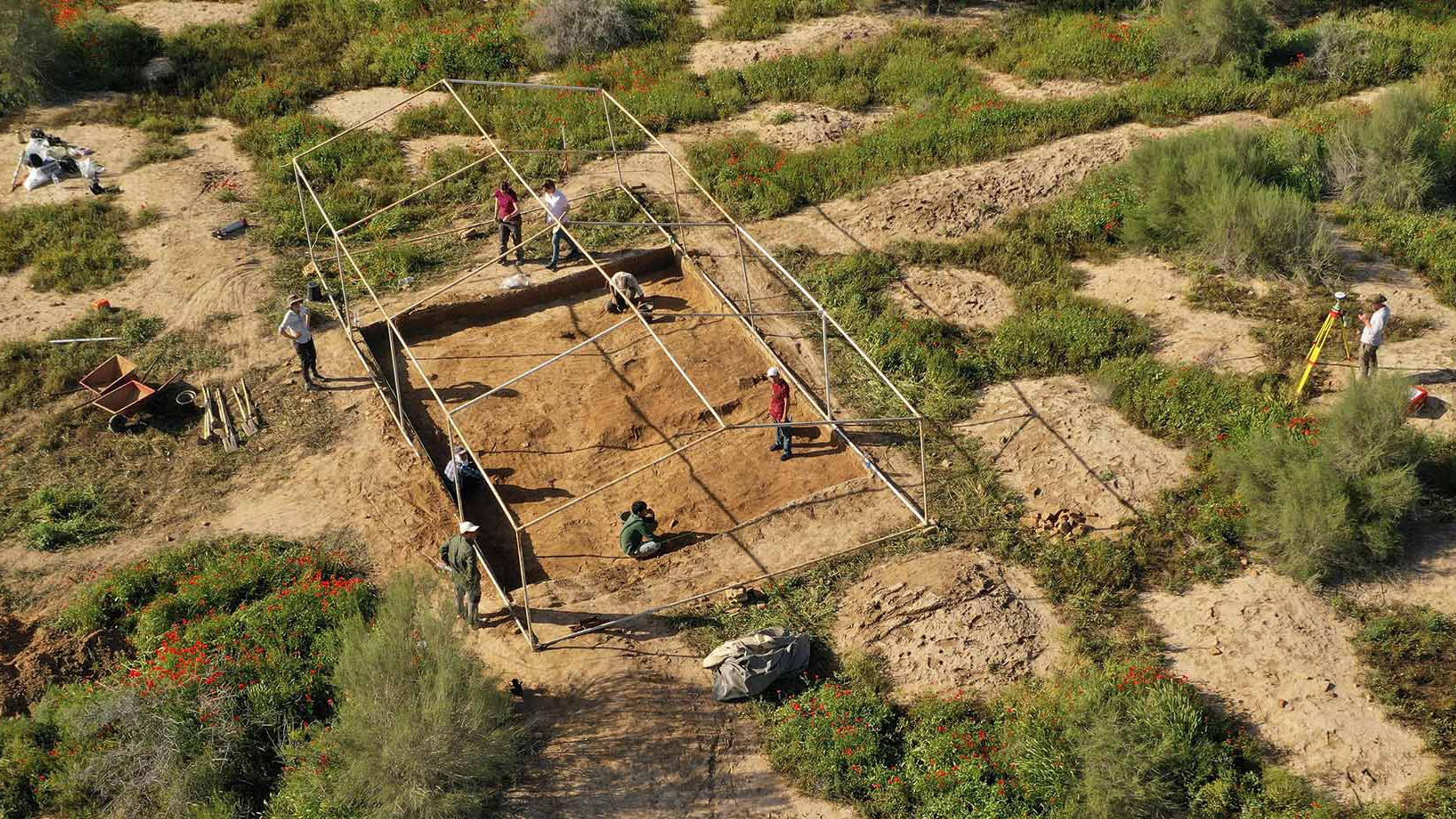
Established in 2019, the Towns of the Karakum project (ToKa) is investigating the landscape and material culture of two walled towns in Turkmenistan.
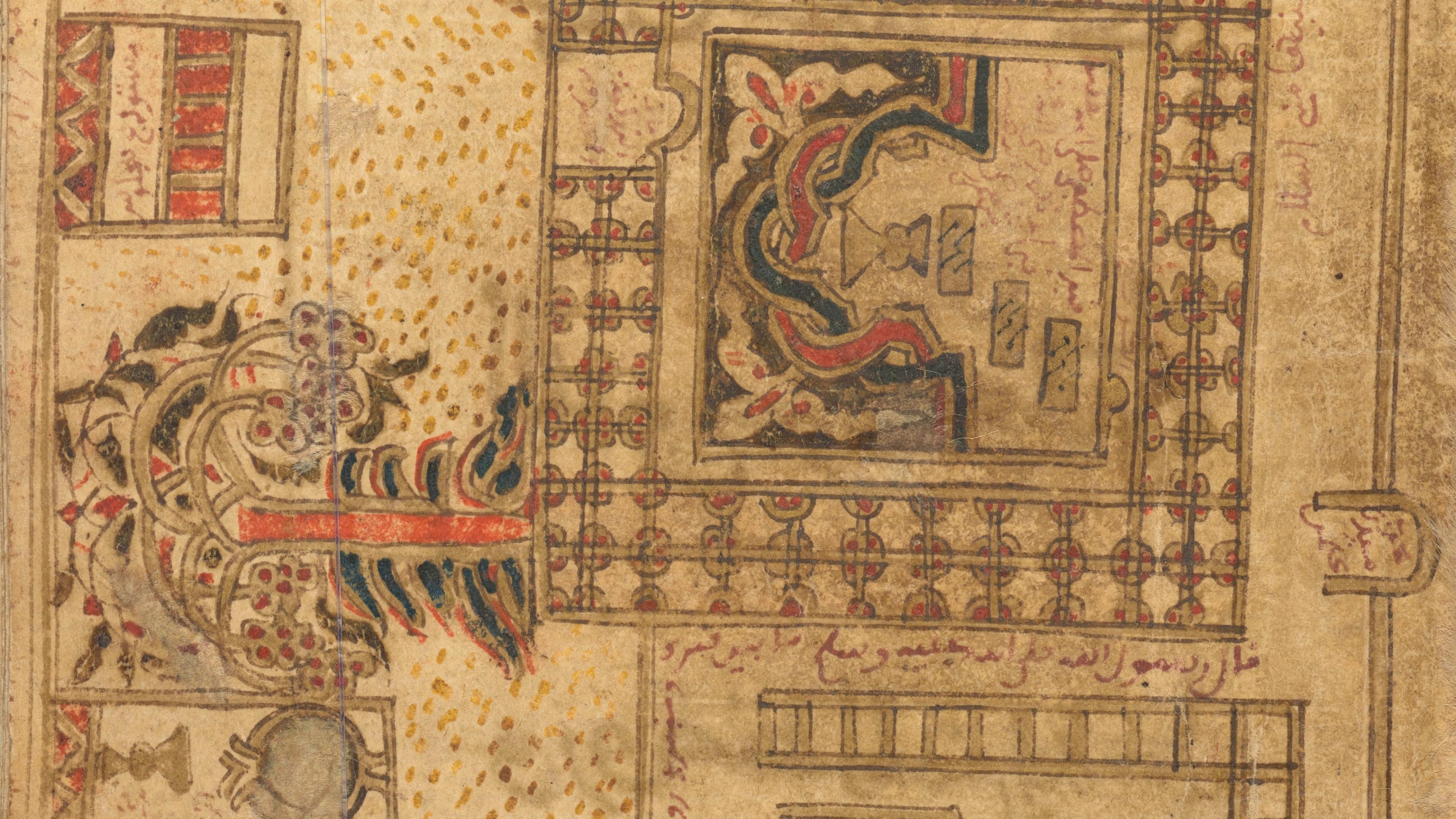
From West Africa to Southeast Asia: The History of Muhammad al-Jazuli’s Dala’il al-Khayrat Prayer Book.
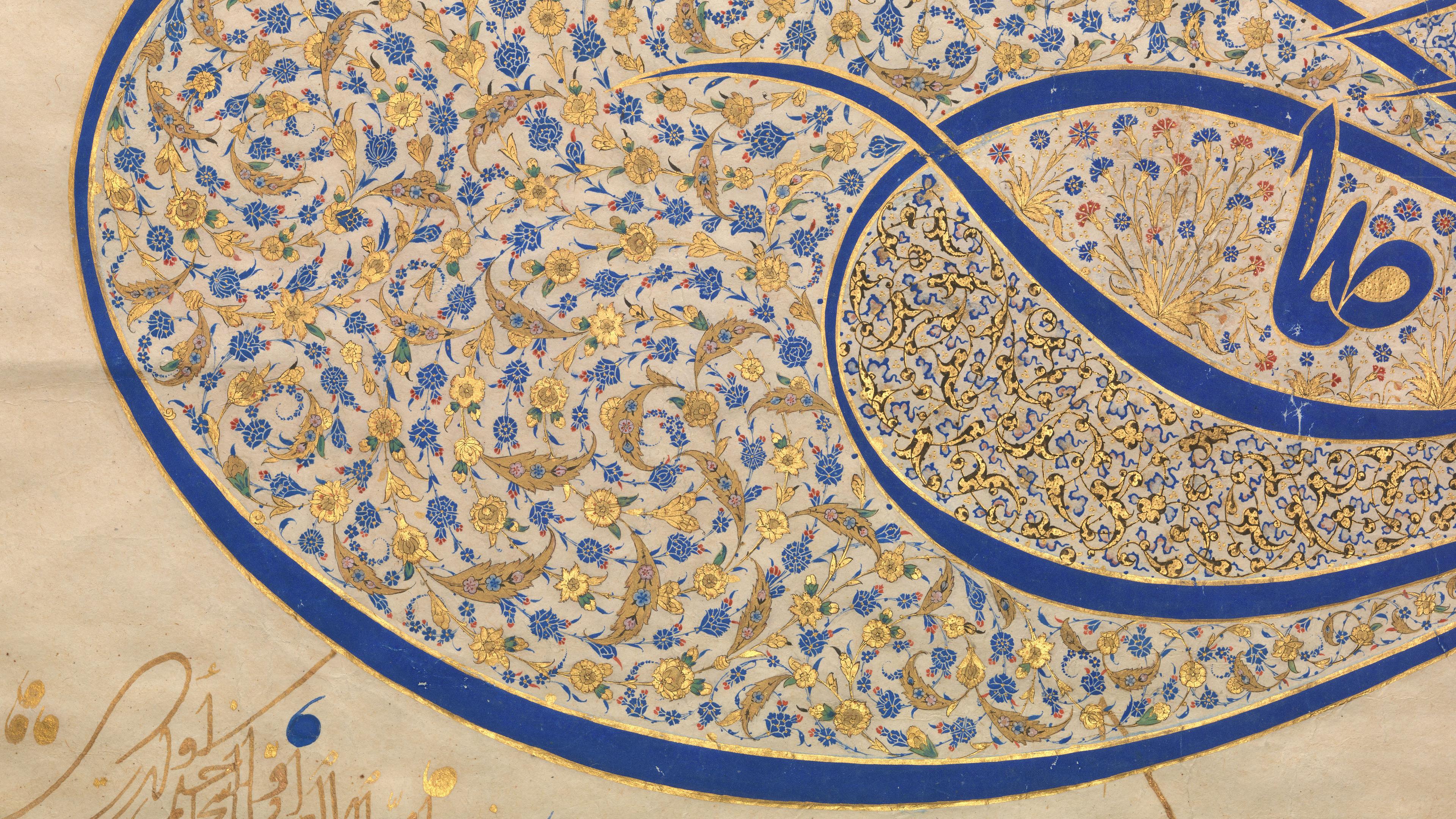
Works of art from the Islamic world are often decorated with beautiful calligraphic inscriptions which can be the key to the meaning and function of the object.
Exhibitions
A slider containing 11 items.
Press the down key to skip to the last item.
Press the down key to skip to the last item.
past