Lesson Plans
These lesson plans help you integrate learning about works of art in your classroom. Select an option below to browse lesson plans by grade, or continue scrolling to see all lesson plans.
Lesson plans for elementary school students
Lesson plans for middle school students
Lesson plans for high school students
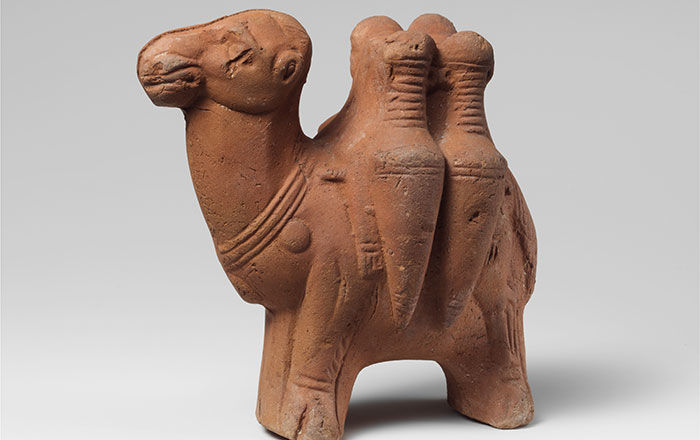
Ancient Animals at Work
Identify ways animals (past and present) enhance daily life through a close look at an ancient figurine and art making.
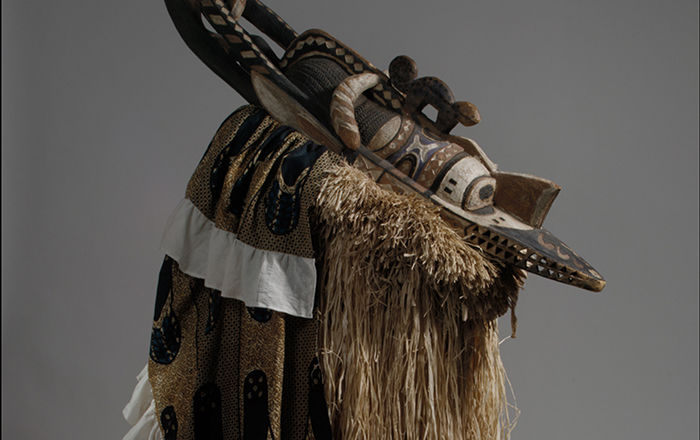
Animal-Inspired Masks and Masquerades
Help students understand the connections between art and the environment of Guinea, animal anatomy, and the cultural context of the Banda mask with the help of viewing questions and a dance activity in the Museum's African Art galleries.
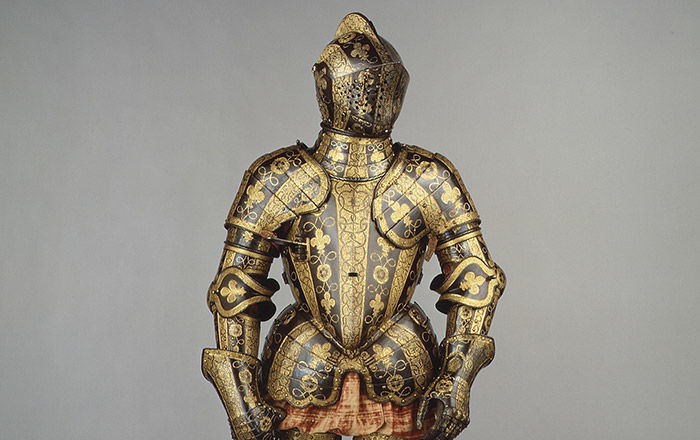
Armor—Function and Design
Identify moveable and static features of armor as well as functional and symbolic surface details and examine similarities and differences between human and animal "armor" through classroom viewing questions. Enhance the lesson with a sketching activity based on an English suit of armor in The Met collection.
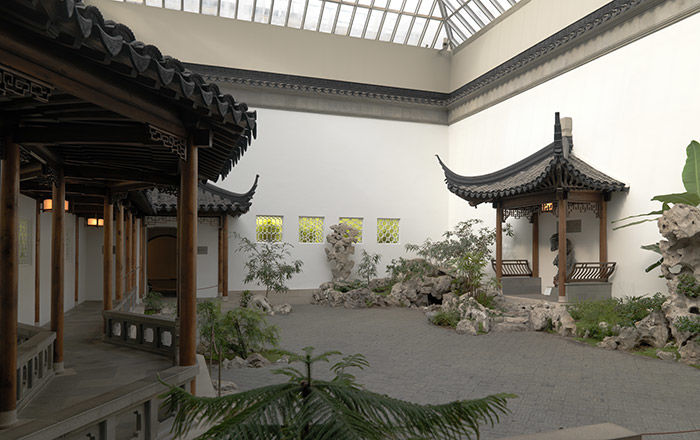
The Astor Chinese Garden Court
Explore the Museum's Astor Chinese Garden Court and enhance students' understanding of how traditional Chinese gardens reflect the concept of yin and yang and how material selection and design can convey ideas about the human and natural worlds. Use viewing questions and a storytelling or drawing activity in the Museum's Chinese galleries.
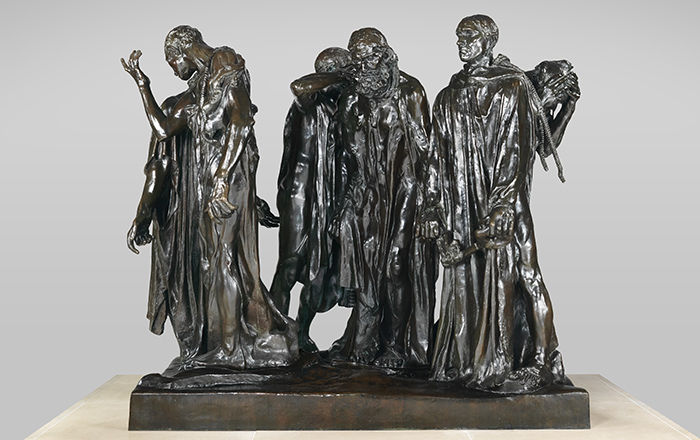
The Burghers of Calais
Convey the interpretive significance of pose and expression in the visual arts—in the Museum or the classroom—with viewing questions and a story-writing activity inspired by a nineteenth-century French sculpture by Auguste Rodin.
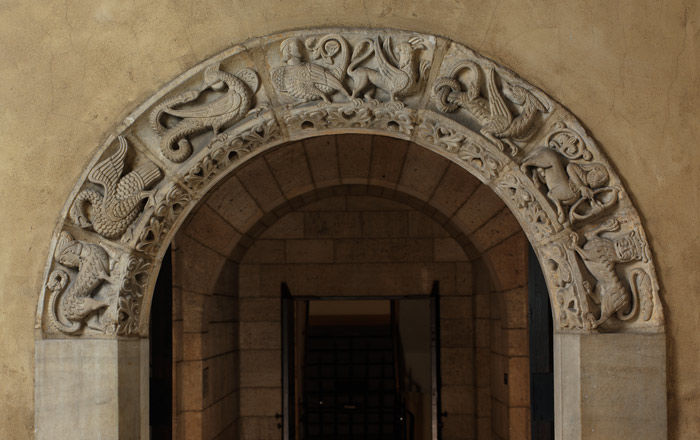
Medieval Beasts and Bestiaries
Explore the use of animals as symbols in medieval art with viewing questions and a group drawing activity at The Met Cloisters or in the classroom.
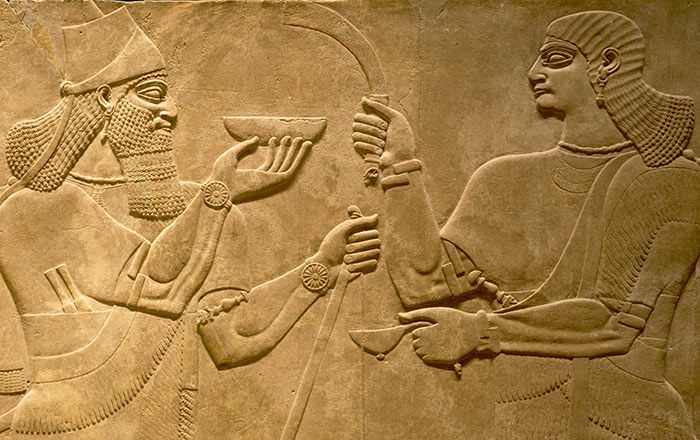
Power in Ancient Mesopotamia
Examine how a great ancient Mesopotamian king conveyed power and leadership in a monumental wall relief in the Museum's Ancient Near Eastern art collection and consider how leaders today express the same attributes through viewing questions and an activity.
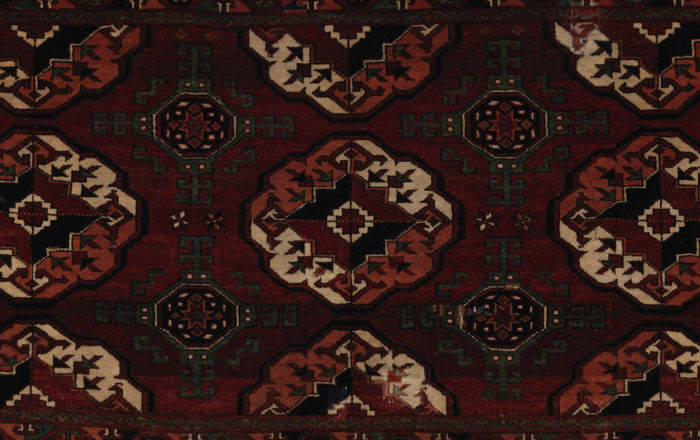
The Nomads of Central Asia—Turkmen Traditions
Students will be able to identify ways art of the Turkmen people of Central Asia reflects nomadic life and understand the functional and symbolic role objects play in their lives.
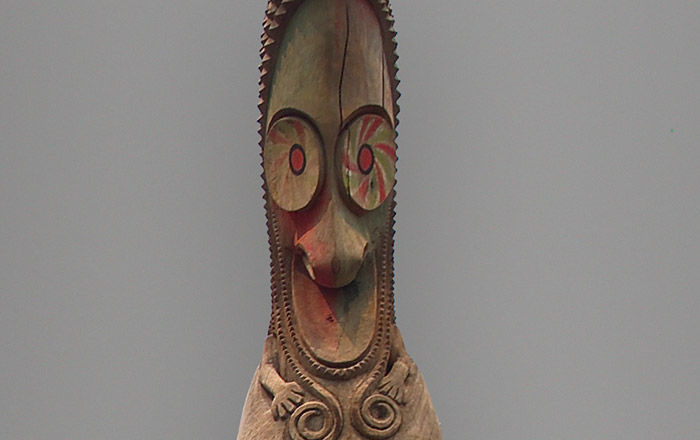
Voices of the Past
Focus on a slit gong in the Museum's Oceanic collection to illustrate the impact of scale in works of art, and consider objects' functions in their original contexts and ways different communities engage with their elders and ancestors. Classroom viewing questions and an oral history activity enhance the lesson.
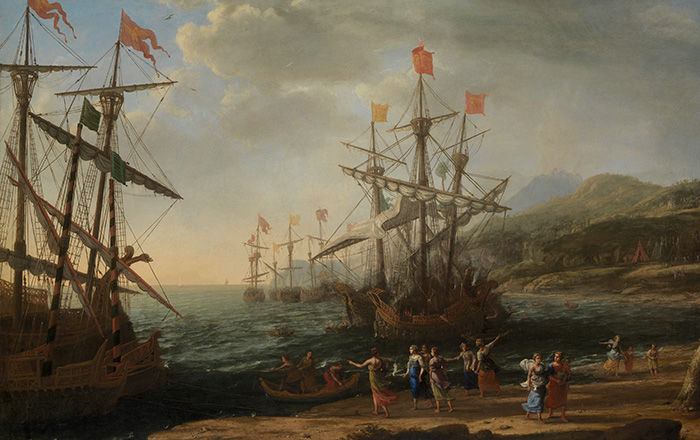
Aeneas, Art, and Storytelling
Virgil's epic poem, The Aeneid, has inspired generations of artists and writers. Create your own artwork inspired by the text and consider how artists draw upon and reinterpret stories from the past.
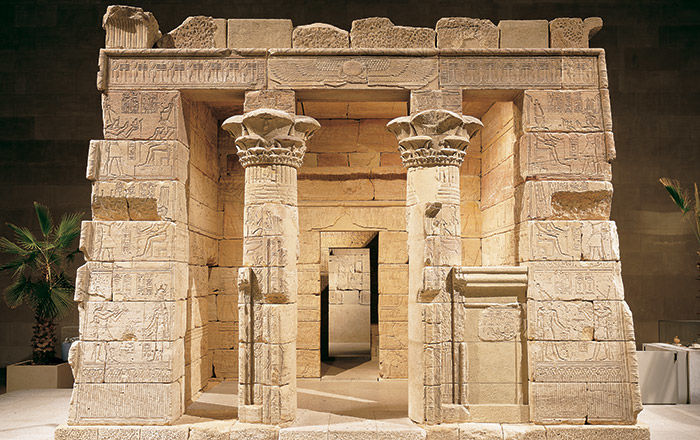
Architecture and the Natural World
How can buildings reflect the relationship between people and the environment? Explore possibilities in this lesson plan featuring an ancient Egyptian temple.
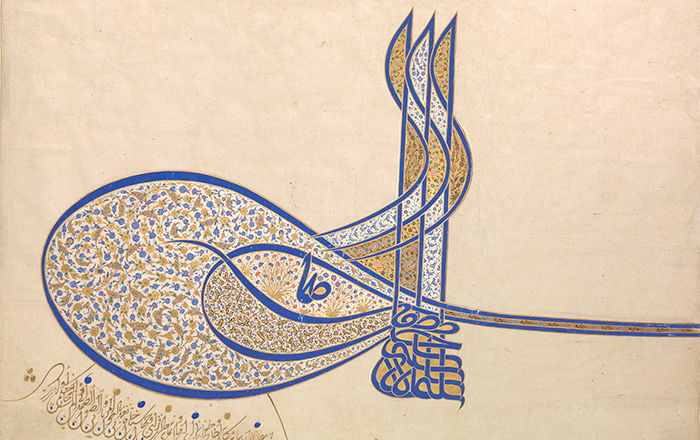
Art and Empire—The Ottoman Court
Students will be able to recognize ways a tughra functioned as a symbol of power and authority within a culturally diverse and geographically expansive empire.
The Astor Chinese Garden Court
Explore the Museum's Astor Chinese Garden Court and enhance students' understanding of how traditional Chinese gardens reflect the concept of yin and yang and how material selection and design can convey ideas about the human and natural worlds. Use viewing questions and a storytelling or drawing activity in the Museum's Chinese galleries.
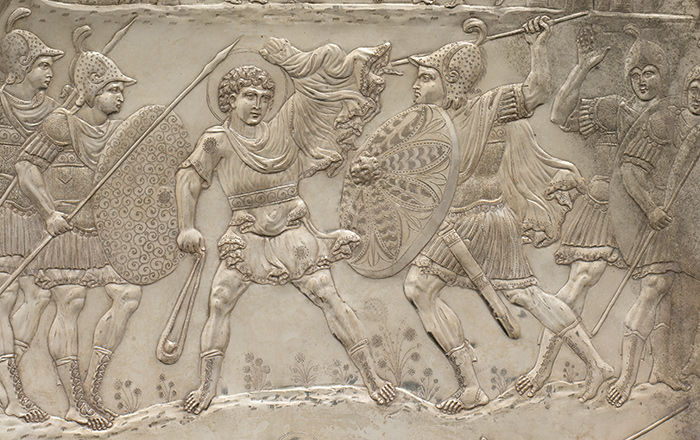
The Battle of David and Goliath
Illuminate strategies for conveying stories through images in the classroom with viewing questions about a large silver plate in the Museum's Medieval collection and an illustrating activity.
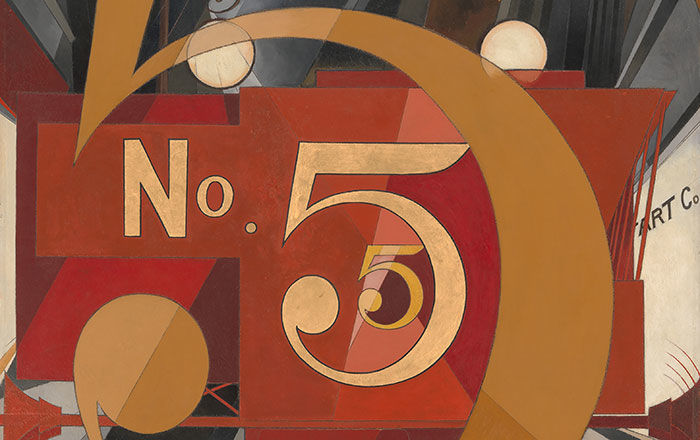
Beyond the Figure
Consider how artists convey personality in nonfigural portraits and the relationship between visual and verbal expression by looking at a painting by Charles Demuth in the Museum's Modern and Contemporary galleries and through a portrait-making activity in the classroom.
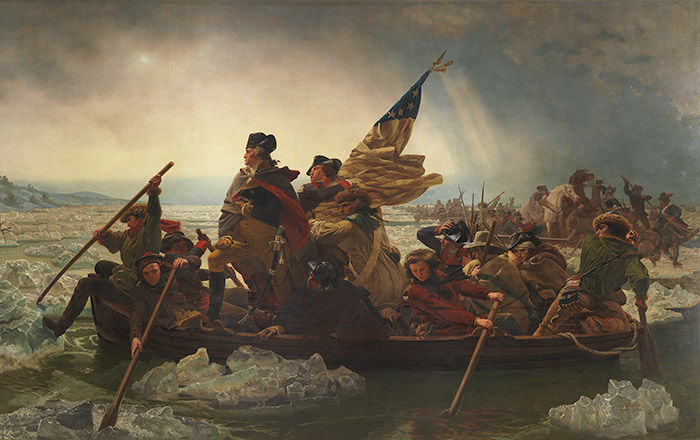
Bravery Stands Tall
Examine a major turning point in the American Revolution through a close look at this depiction of General Washington and his troops crossing the Delaware River.
The Burghers of Calais
Convey the interpretive significance of pose and expression in the visual arts—in the Museum or the classroom—with viewing questions and a story-writing activity inspired by a nineteenth-century French sculpture by Auguste Rodin.
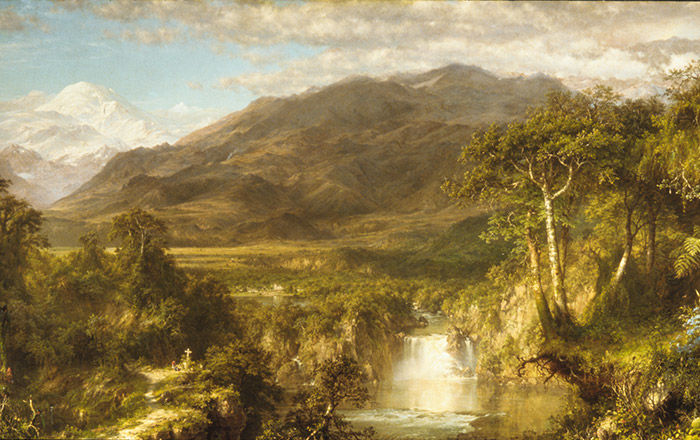
Composing a Landscape
Study the relationship between the human and natural worlds in art, as well as the techniques artists use to convey ideas, by exploring a painting by Frederic Edwin Church in the Museum's American Wing. Extend the lesson through a writing and drawing activity in the classroom, or a sketching activity outdoors.
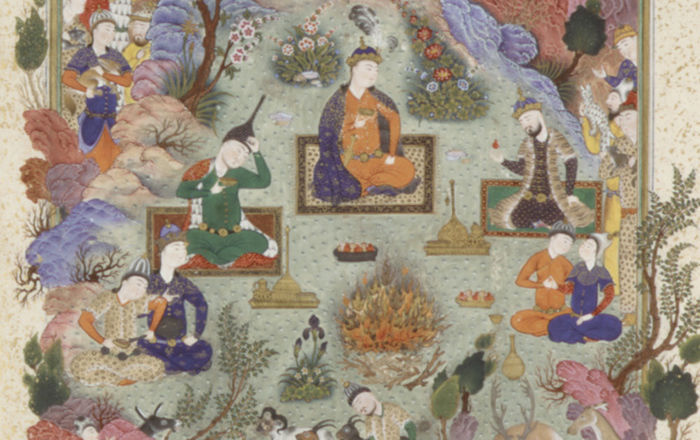
The Making of a Persian Royal Manuscript
Students will be able to identify some of the key events and figures presented in the Persian national epic, the Shahnama (Book of Kings); make connections between the text and the illustrated pages of the manuscript produced for Shah Tahmasp; and create a historical record of their community.
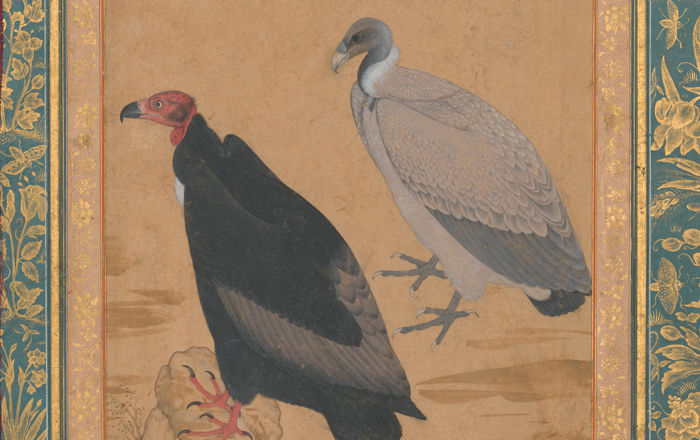
The Mughal Court and the Art of Observation
Students will be able to recognize ways works of art reflect an intense interest in observation of the human and natural world among Mughal leaders; and understand ways works of art from the past and present communicate ideas about the natural world.
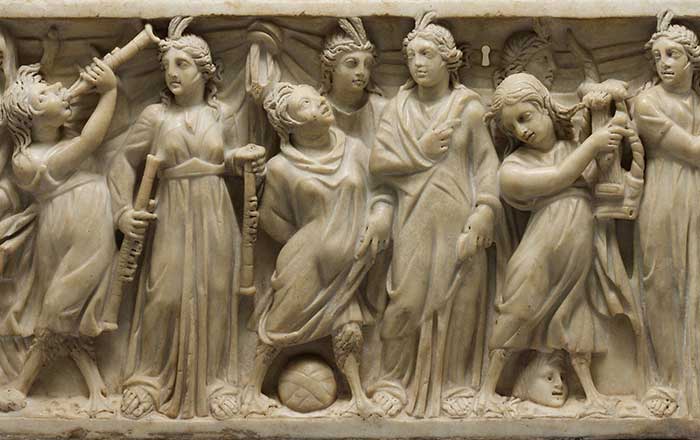
Muses vs. Sirens
Through movement and storytelling, uncover the layers of meaning embedded in a Roman sarcophagus.
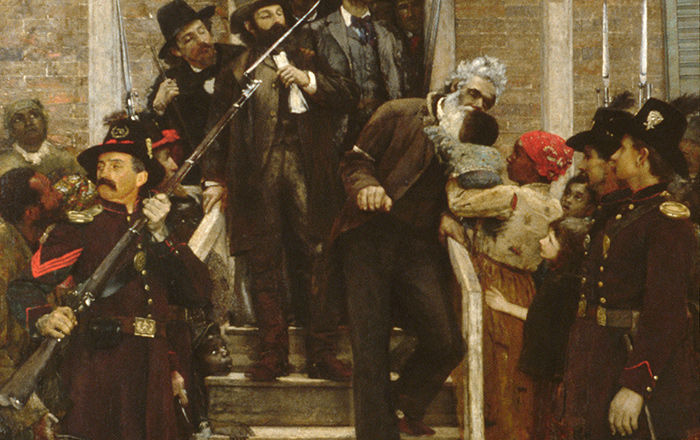
Point of View in Print and Paint
Explore ways that viewpoint shapes the way we picture the past in this lesson plan featuring a depiction of the abolitionist John Brown.
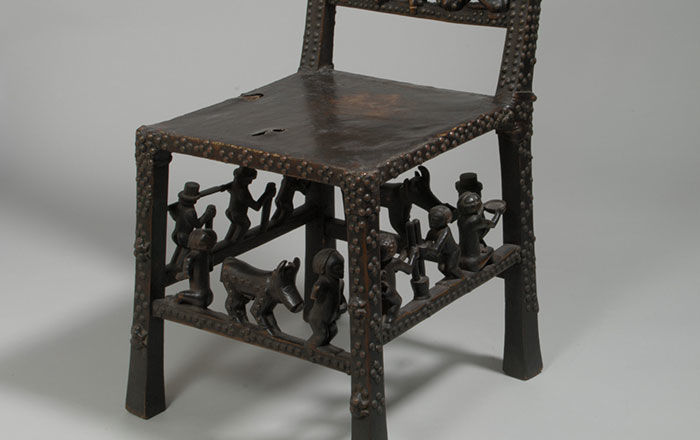
The Power behind the Throne
Bring the Museum's African collection into the classroom with viewing questions and an art-making activity that cultivate visual analysis and an understanding of how surface detail and composition can express themes of power and leadership.
Power in Ancient Mesopotamia
Examine how a great ancient Mesopotamian king conveyed power and leadership in a monumental wall relief in the Museum's Ancient Near Eastern art collection and consider how leaders today express the same attributes through viewing questions and an activity.
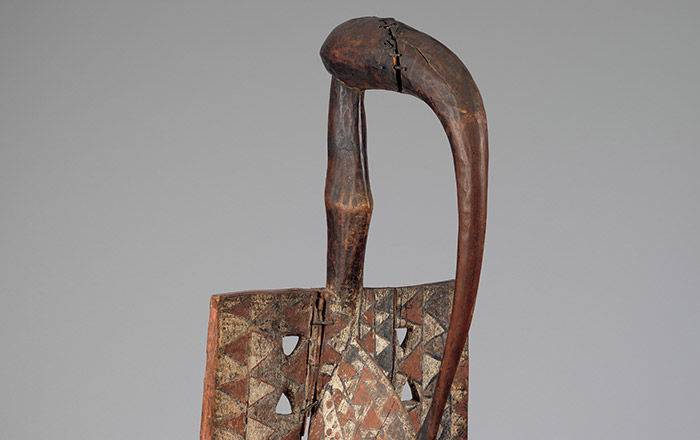
A Rite of Passage
Explore the ways rituals, ceremonies, and rites of passage play an important role in communities around the world through an investigation of related objects.
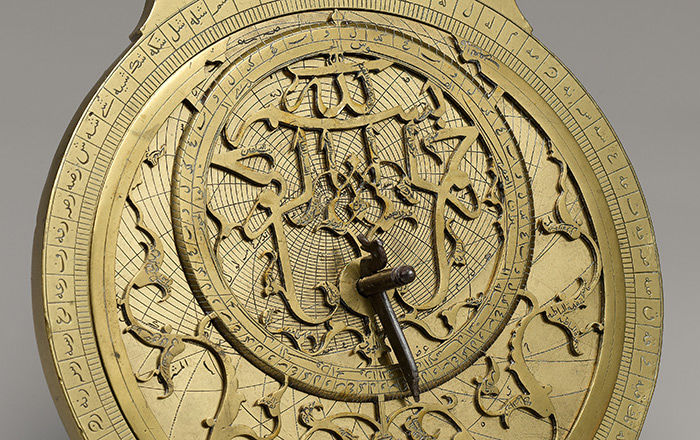
Science and the Art of the Islamic World
Students will be able to identify similarities and differences between scientific tools used now and long ago; and use research findings to support observations and interpretations.
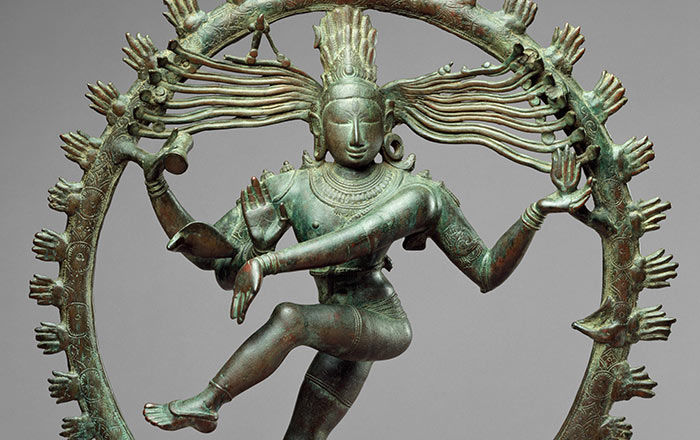
Shiva—Creator, Protector, and Destroyer
Inspire students to interpret, communicate through, and personally connect with art through an in-classroom examination of a powerful sculpture in the Museum's Indian art collection and a self-portrait activity.
Voices of the Past
Focus on a slit gong in the Museum's Oceanic collection to illustrate the impact of scale in works of art, and consider objects' functions in their original contexts and ways different communities engage with their elders and ancestors. Classroom viewing questions and an oral history activity enhance the lesson.
Aeneas, Art, and Storytelling
Virgil's epic poem, The Aeneid, has inspired generations of artists and writers. Create your own artwork inspired by the text and consider how artists draw upon and reinterpret stories from the past.
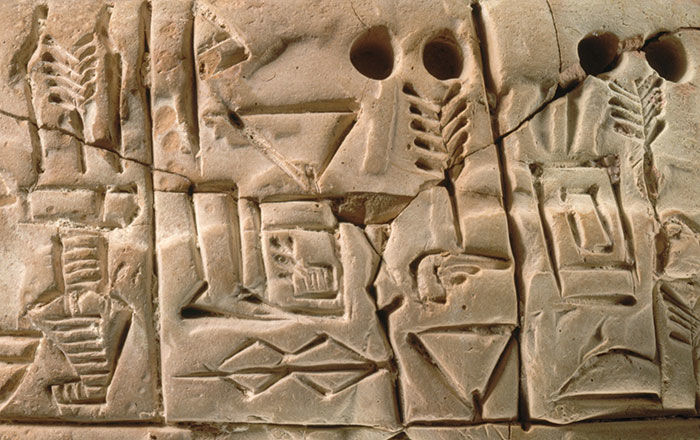
Ancient Mesopotamia—Literacy, Now and Then
From cuneiform inscriptions to digital tablets, this lesson highlights changes and continuity in written communications across the ages.
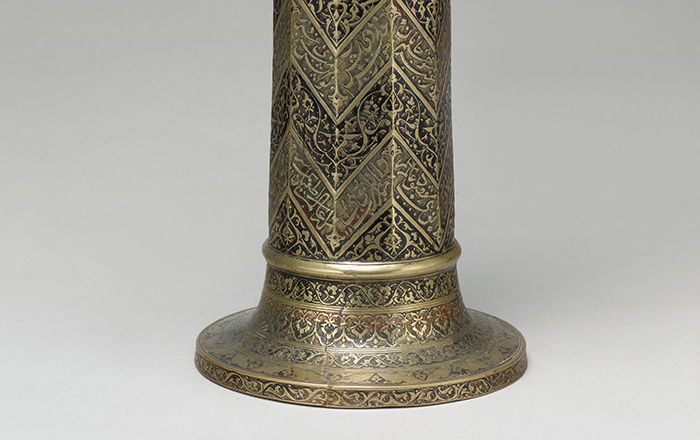
Arabic Script and the Art of Calligraphy
Students will be able to identify visual qualities of several calligraphic scripts; recognize ways artists from the Islamic world engage various scripts to enhance works of art supporting a range of functions; and assess the merits of several computer-generated fonts in supporting specific uses.
Art and Empire—The Ottoman Court
Students will be able to recognize ways a tughra functioned as a symbol of power and authority within a culturally diverse and geographically expansive empire.
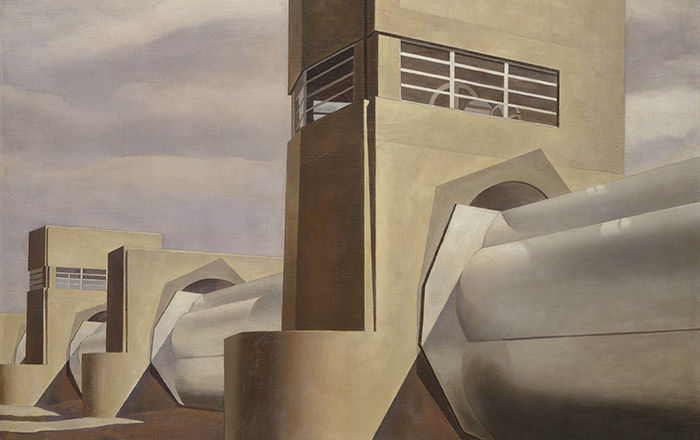
The Art of Industry
Use viewing questions and a debate activity to investigate the relationship between art and community values, techniques artists use to convey ideas, and strategies for interpreting an American painting in the Museum's Modern and Contemporary galleries.
The Astor Chinese Garden Court
Explore the Museum's Astor Chinese Garden Court and enhance students' understanding of how traditional Chinese gardens reflect the concept of yin and yang and how material selection and design can convey ideas about the human and natural worlds. Use viewing questions and a storytelling or drawing activity in the Museum's Chinese galleries.
The Battle of David and Goliath
Illuminate strategies for conveying stories through images in the classroom with viewing questions about a large silver plate in the Museum's Medieval collection and an illustrating activity.
Beyond the Figure
Consider how artists convey personality in nonfigural portraits and the relationship between visual and verbal expression by looking at a painting by Charles Demuth in the Museum's Modern and Contemporary galleries and through a portrait-making activity in the classroom.
The Burghers of Calais
Convey the interpretive significance of pose and expression in the visual arts—in the Museum or the classroom—with viewing questions and a story-writing activity inspired by a nineteenth-century French sculpture by Auguste Rodin.
Composing a Landscape
Study the relationship between the human and natural worlds in art, as well as the techniques artists use to convey ideas, by exploring a painting by Frederic Edwin Church in the Museum's American Wing. Extend the lesson through a writing and drawing activity in the classroom, or a sketching activity outdoors.
The Making of a Persian Royal Manuscript
Students will be able to identify some of the key events and figures presented in the Persian national epic, the Shahnama (Book of Kings); make connections between the text and the illustrated pages of the manuscript produced for Shah Tahmasp; and create a historical record of their community.
The Mughal Court and the Art of Observation
Students will be able to recognize ways works of art reflect an intense interest in observation of the human and natural world among Mughal leaders; and understand ways works of art from the past and present communicate ideas about the natural world.
The Power behind the Throne
Bring the Museum's African collection into the classroom with viewing questions and an art-making activity that cultivate visual analysis and an understanding of how surface detail and composition can express themes of power and leadership.
A Rite of Passage
Explore the ways rituals, ceremonies, and rites of passage play an important role in communities around the world through an investigation of related objects.
Science and the Art of the Islamic World
Students will be able to identify similarities and differences between scientific tools used now and long ago; and use research findings to support observations and interpretations.
Shiva—Creator, Protector, and Destroyer
Inspire students to interpret, communicate through, and personally connect with art through an in-classroom examination of a powerful sculpture in the Museum's Indian art collection and a self-portrait activity.
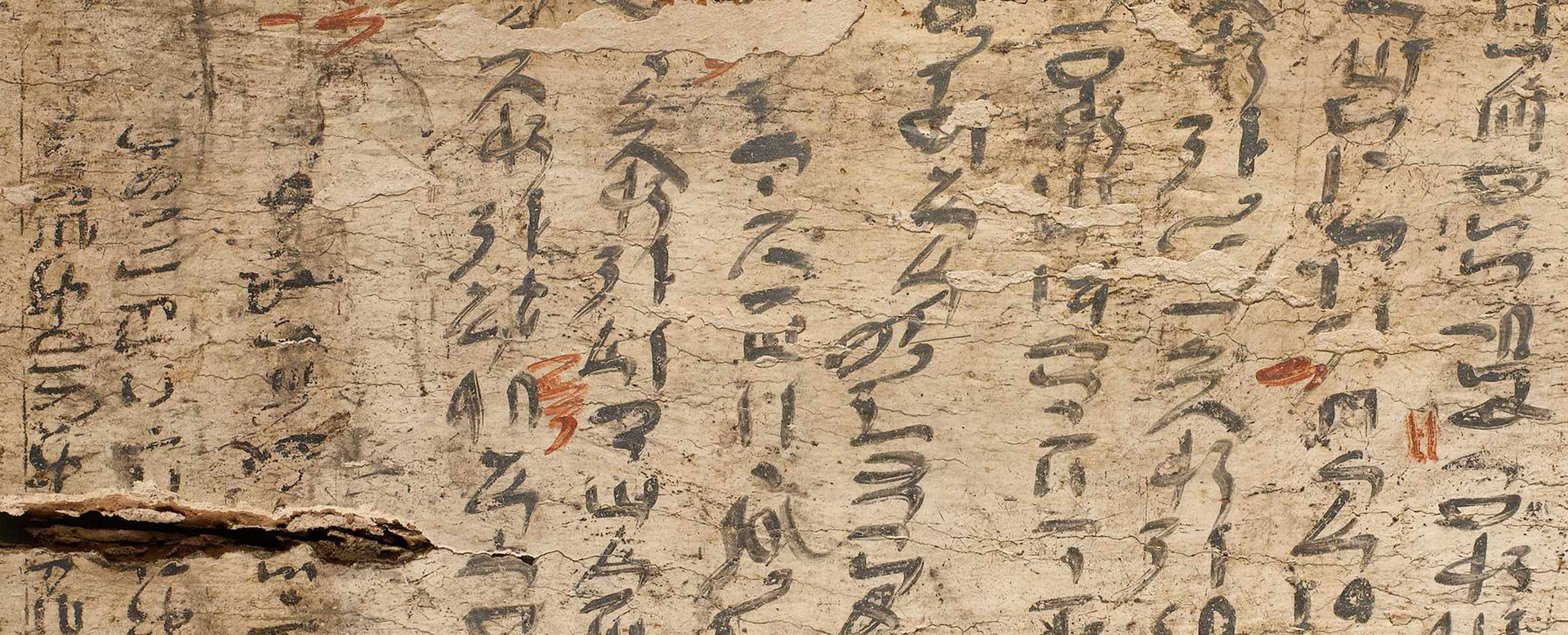
Above: Writing board (detail), ca. 1981–1802 B.C. Middle Kingdom. Dynasty 12. From Egypt; Said to be from Upper Egypt, Thebes or Northern Upper Egypt, Akhmim (Khemmis, Panopolis). Wood, gesso, paint, 16 15/16 x 7 1/2 in. (43 x 19 cm). The Metropolitan Museum of Art, New York, Gift of Edward S. Harkness, 1928 (28.9.4)